

 KIDS for Families

 Every child grows and develops in their own time. If you are worried about your child's development then speak to your Health Visitor, Family Nurse or GP.
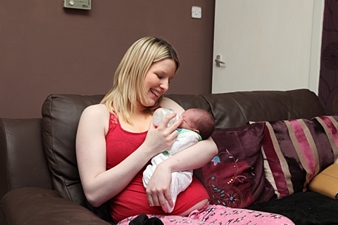
If you need help with breastfeeding or feeding your baby ask your Midwife, Health Visitor or Family Nurse.
Breast milk or first stage infant formula is all your baby needs until they are around 6 months old.
Babies need to be close to their parents. This helps them to feel secure and loved. This also helps you to learn your baby’s signals for when they are hungry. Let your baby guide you on how much and how often they need fed.

You can find lots of information and resources using the links below:
- NHSGGC Early Years: Breast and Formula Feeding
- NHSGGC Happy Healthy Tots: Feeding your baby or child
- Ready Steady Baby! How your body prepares to feed your baby
- Ready Steady Baby! Meeting your new baby
- Parent Club: Feeding Your Baby
- Off to a Good Start: All you need to know about breastfeeding - this leaflet is available in other languages
- Formula feeding: How to feed your baby safely - this leaflet is available in other languages
- UNICEF: Baby Friendly Support for Parents
- First Steps Nutrition Trust: Infant Milks Information for parents & carers
- National Breastfeeding helpline offers both telephone and web chat services. Tel 0300 100 0212 open 9.30am – 9.30pm every day. British Sign Language users in Scotland can contact the helpline via Contact Scotland BSL
If you live in NHS Greater Glasgow and Clyde you can also access Breast Feeding Support using the links below:
- NCT Glasgow Breastfeeding Buddies : a peer-led breastfeeding support group. Open to any mum in Greater Glasgow and Clyde.
- Breastfeeding Network (BfN) : this BfN Greater Glasgow and Clyde Families group offers support and chat with families in the local area. Join a virtual peer group every Tuesday and Friday at 2.00pm.





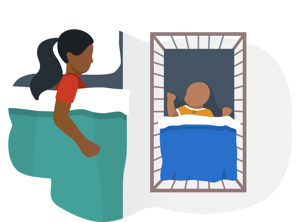 Babies should always be put on their backs to sleep, in a clear, flat sleep space. Find out more information about safe sleep from Scottish Government
  Babies are born being dependent on you for all their care needs. Your baby might not enjoy care routines like nappy changing or bathing. Talk to your baby during care routines and tell them what is happening. For more information look at CBeebies Parenting
  Crying is the most obvious way that your baby communicates. It can be tricky to work out when they are crying in pain, hunger or because their nappy needs changed. Your baby will make gurgling sounds when they are content.
 Your baby will enjoy looking at your face and being talked to in a slow gentle voice.
 Babies often like gentle rocking movement as this is like what they felt in the womb. Be led by your baby. You could try: